
Review the full workshop on YouTube.
The question that never goes away
In every tech community, every Discord server, every career discussion in Pakistan, the same question surfaces. Should I follow my passion or chase the paycheck?
It sounds like a binary choice. It’s not. But the way most people approach it turns it into one, and that’s where careers get stuck.
Defining the two forces
Passion is something you’re willing to dedicate yourself to for the long term. Not a trending field. Not something that pays well right now. A deep, personal connection to a domain that you keep coming back to regardless of external reward. It evolves over time. A childhood interest in video games might become a career in game development or software architecture. The form changes. The pull doesn’t.
Profit is simpler. It’s your paycheck. The short-term, practical reality of needing money to survive. It covers rent, food, and the tools you need to function. Profit isn’t just transactional though. It buys you time, access, and options that passion alone can’t provide.
These two aren’t enemies. But in Pakistan specifically, aligning them takes deliberate strategy, not wishful thinking.
Four scenarios playing out across Pakistan right now
Passion without opportunity. A computer science graduate passionate about game development finishes their degree and discovers there are almost no local jobs in that field. They end up in a generic software role they don’t care about. The passion is real. The market doesn’t support it. This is the most common and most frustrating scenario.
No passion, no direction. Someone enters a career because their family told them to, or because it seemed safe. No personal interest. No curiosity. Just compliance. Five years later, they’re burnt out, bitter, and stuck in a role they never chose. In the worst cases, these individuals become the toxic managers everyone complains about. They compensate for their own lack of fulfillment by making everyone else miserable.
Leaving the country to follow passion. For some, the only path to their passion means leaving Pakistan. A game developer with no local options moves abroad where the industry exists. It works professionally, but the cost is real. Distance from family. Cultural adjustment. Loneliness. The mental and emotional toll of uprooting your life is something people rarely talk about until they’re living it.
Staying and figuring it out. A growing number of people are choosing to stay and build a path that combines both. They take unrelated jobs for financial stability while using remote work, freelancing platforms, and side projects to slowly move toward their passion. It’s slower. It’s harder. But it’s increasingly viable, especially in tech.
Why other countries make this look easier
In the US, UK, or Australia, the opportunity landscape is different. Niche markets exist for almost everything. Someone can build a career painting miniature figurines. Someone else can monetize a hyper-specific tech skill. The infrastructure for turning passion into profit is more developed.
In Pakistan, that infrastructure barely exists. Which means you can’t just “follow your passion” and expect the money to follow. You need a dual approach. Earn stability first. Build toward passion second. The two run in parallel, not in sequence.
Embrace the pivot
When opportunities in your exact field don’t exist, the worst thing you can do is wait for them to appear. The best thing you can do is pivot strategically.
Take cybersecurity. If the local job market has no roles in your specialization, a web development position might seem like a compromise. And it is. But that web development role might involve projects with security components. It might expose you to clients who need penetration testing or compliance audits. Those overlaps become your entry points.
The person who takes the adjacent role and actively looks for connections to their passion will always move faster than the person who refuses to start until the perfect opportunity appears.
A real example of how this works
My own path illustrates this. I graduated with a degree in mechanical engineering and walked into a job market with nothing relevant available. Instead of waiting, I took an entry-level customer support role at a SaaS company. It had nothing to do with engineering.
But I showed up. I excelled at the work. And I had a tech blog on the side where I wrote about things I actually cared about. That writing practice led to a knowledge management role. That role put me in rooms with technical teams and product people. I discovered product management, a field I didn’t even know existed when I started.
From there, I moved through project management, product ownership, and eventually into running my own operations. None of it was planned from day one. All of it was built by treating each role as a stepping stone, not a dead end.
Every toolkit, template, and guide we build is accessible to anyone. If they helped you land a client, pass an interview, or ship a project, consider paying it forward so we can keep building more.
The generalist advantage
One underrated takeaway from that journey is the value of being a generalist. My mechanical engineering background didn’t seem relevant to tech at first. But it gave me a multidisciplinary perspective. I could understand systems, think about processes, and adapt quickly to new domains.
In product management especially, generalists thrive. The ability to understand enough about engineering, design, marketing, and business to make informed decisions is more valuable than deep expertise in any single area. If your background feels “unrelated” to where you want to go, it might actually be your biggest advantage.
Fill the gaps yourself
At multiple points in my career, I hit knowledge gaps that could have stopped me. I didn’t know what SDLC was when I first encountered it. I didn’t understand product metrics. I didn’t have a background in user research.
Instead of waiting for someone to teach me, I taught myself. Books, articles, free resources, conversations with people who knew more than I did. That initiative is what made the transitions possible. Nobody is going to hand you the curriculum for your ideal career. You have to build it yourself, in real time, as you go.
The real framework
Passion and profit don’t need to be resolved in your twenties. They don’t need to be perfectly aligned from day one. What they need is a strategy.
Take the job that pays the bills. Don’t resent it. Treat it as a foundation. While you’re there, look for overlaps with what you actually care about. Invest your non-work hours in building skills and projects related to your passion. Use freelancing, remote work, and online platforms to create opportunities the local market doesn’t offer.
Over time, the gap between what you do for money and what you do for meaning gets smaller. For some people, it closes completely. For others, it stays a healthy balance where the paycheck funds the passion and the passion keeps the burnout at bay.
Either outcome is fine. What isn’t fine is doing nothing and hoping things sort themselves out.
Make the sacrifice
Whether it’s tolerating a role you don’t love, picking up skills outside your comfort zone, or spending your evenings building something nobody’s paying you for yet, the path from where you are to where you want to be runs through sacrifice.
Not permanent sacrifice. Strategic sacrifice. The kind where you give up comfort now to gain options later. The kind where every job, every project, and every skill you pick up moves you one step closer to the career you actually want.
Stay focused. Keep learning. The road is bumpy. Walk it anyway.
With or without my help – I wish you the best.
Come Build With Us
400+ members showing up, shipping work, and helping each other get better.
If you’re working on something real, Wander Labs might be your next step.
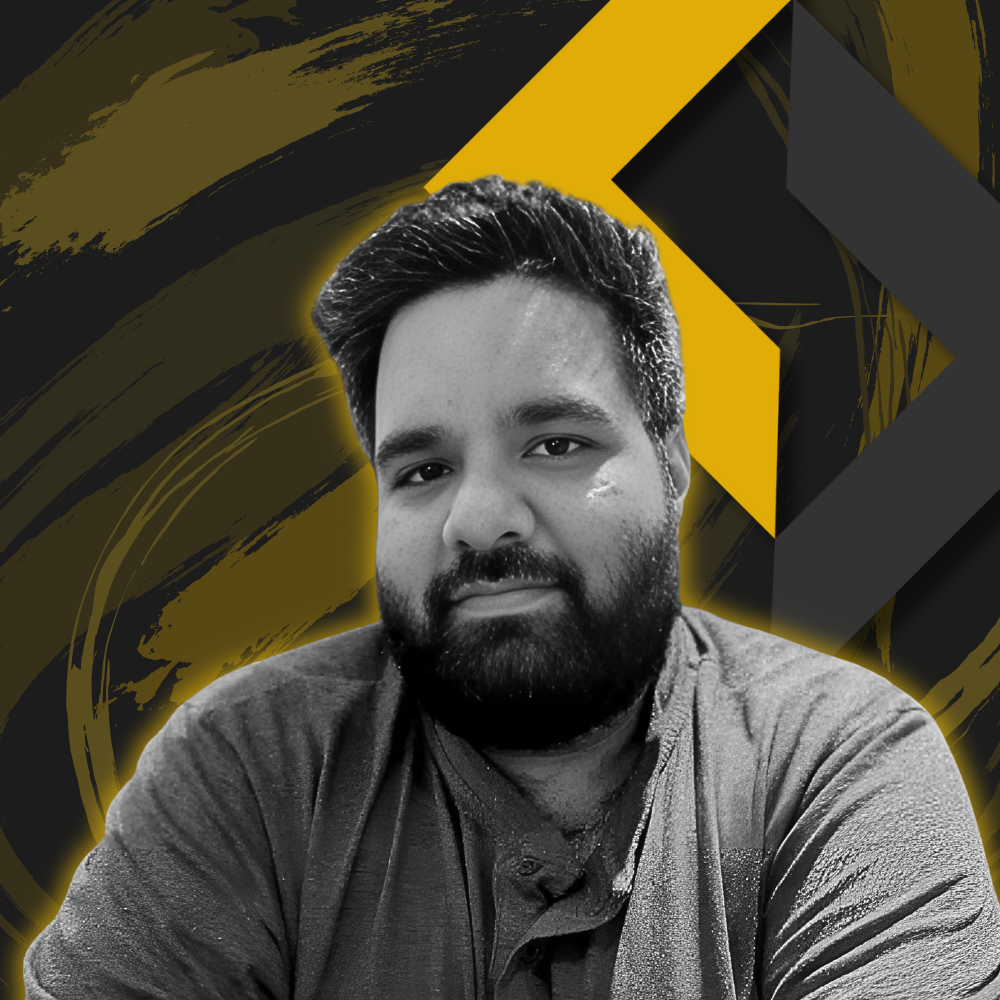
See, at the heart of it – I love solving problems for people using tech, it doesn’t get simpler than that.
I am known for constant experimentation and relentless execution.
Right now – my focus is to help everyday folks of Pakistan understand tech, career, and business better with everything I do.
