
Review the full workshop on YouTube.
The resume lie
Somewhere in university, probably third or fourth year, someone tells you to add a “skills” section to your resume. So you do. You throw in whatever sounds impressive. Maybe you add percentage bars next to each one. 85% communication. 70% leadership. 90% Microsoft Office.
None of it means anything. And nobody teaches you what skills actually are, how they differ, or which ones matter at what stage of your career.
Before you go out and upskill, you need to understand what you’re actually working with.
Hard skills vs soft skills
Hard skills are specific, teachable, and measurable. You either know how to use Adobe Photoshop or you don’t. You can code in Python or you can’t. Hard skills come from training, courses, and repetition. They follow fixed instructions and don’t change much day to day.
Soft skills are different. Communication. Time management. Leadership. Problem-solving. These are personal attributes that shape how you work, how you interact, and how you handle pressure. They’re abstract. They’re harder to quantify. And they evolve depending on culture, environment, and context.
Here’s the part most people get wrong.
Why soft skills are a scam
Not because they don’t matter. They matter more than most hard skills in the long run. The scam is in the name.
“Soft” makes people think they’re easy. Optional. Secondary to the real skills. In reality, soft skills are significantly harder to develop than hard skills. A hard skill has a manual. A soft skill has no fixed definition. Effective communication in one culture looks completely different in another. Leadership in a startup means something different than leadership in a government office.
Soft skills require lived experience, exposure to different environments, and years of deliberate practice. Calling them “soft” is the most misleading thing we do in career development.
Domains vs skills
There’s another distinction people confuse. A domain is not a skill. Marketing is a domain. Writing copy is a skill within that domain. Software development is a domain. Writing clean React components is a skill within it.
When someone says “I know marketing,” that’s too broad to be useful. When someone says “I can write high-converting landing page copy for SaaS products,” that’s a skill with clear application. Understanding this difference changes how you think about what to learn and how to present what you know.
The Pakistan career path problem
In Pakistan, most career paths funnel people toward management. You start as an individual contributor, you get good at your technical work, and then the only way “up” is to become a manager.
The problem is that management requires an entirely different skill set. Strong developers become weak managers because nobody taught them leadership, delegation, or stakeholder communication. They were promoted based on hard skills and then expected to perform using soft skills they never developed.
This isn’t just a personal failure. It’s a systemic one. There’s almost no expertise-track career path in Pakistan. You either become a manager or you stagnate. That’s a broken model, and it’s why so many teams are led by people who are technically competent but managerially lost.
Why you should think like a generalist
In markets with limited opportunities, specialists get boxed in. A generalist with a solid core skill and complementary abilities across domains has more options.
A developer who understands sales and communication can freelance, run an agency, or lead a product team. A salesperson who can build a landing page and manage workflows in Notion becomes self-sufficient. Generalists adapt. In an unpredictable job market, adaptability is the skill that matters most.
This doesn’t mean being shallow at everything. It means going deep in one area and building functional knowledge in two or three others.
Three soft skills worth learning first
If you’re going to invest in soft skills, start with these three. They apply to every role, every industry, and every career stage.
Written communication
This is the single most undervalued skill in the Pakistani professional landscape. Most people can talk to their friends. Very few can write a clear, concise email that gets a response.
Good written communication means saying what needs to be said in as few words as possible. It means structuring your message so the reader understands the point without re-reading it three times. Tools like Hemingway Editor can help you practice writing clearly. But the real work is in paying attention to how you communicate every day, in emails, in Slack messages, in documentation, and deliberately improving it.
If you can write clearly, you already stand out from the majority of professionals in this market.
Organization and documentation
An organized person operates differently. They approach tasks with a plan. They know where things are. They don’t waste time searching for files or trying to remember decisions made two weeks ago.
Pair organization with documentation and you become someone people trust. When your work is visible, tracked, and well-recorded, you don’t need to convince anyone of your value. The evidence speaks for itself. Whether it’s a Notion workspace, a shared Google Doc, or a simple checklist, the habit of documenting what you do and why you did it compounds over time.
Ownership
Ownership means doing the work because it needs to be done, not because someone is watching or because there’s a reward attached. It means taking responsibility for outcomes, not just tasks.
Most people do the minimum. They complete what’s assigned and move on. The person who takes ownership goes further. They anticipate problems. They follow up without being asked. They treat the project as theirs, not just their manager’s.
This mindset shift, from “I did my part” to “I made sure it got done,” is what separates people who grow from people who stay where they are.
A question worth sitting with
What skills do you believe you actually know well? Not what’s on your resume. What can you demonstrate under pressure, in a real situation, with real stakes?
And what do you want to learn in the next six months?
Be honest with yourself on both counts. That gap between what you think you know and what you can actually do is where the real work starts.
With or without my help – I wish you the best.
Come Build With Us
400+ members showing up, shipping work, and helping each other get better.
If you’re working on something real, Wander Labs might be your next step.
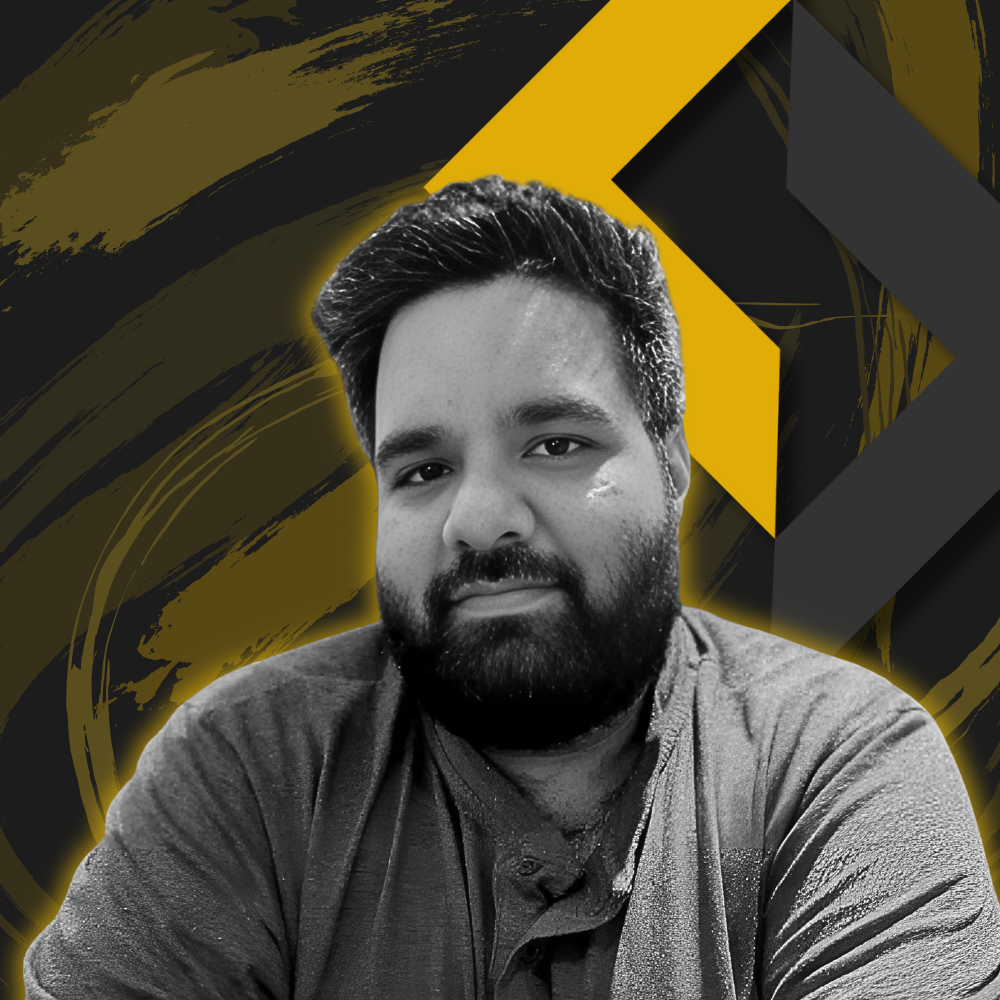
See, at the heart of it – I love solving problems for people using tech, it doesn’t get simpler than that.
I am known for constant experimentation and relentless execution.
Right now – my focus is to help everyday folks of Pakistan understand tech, career, and business better with everything I do.